So which breed is right for you?
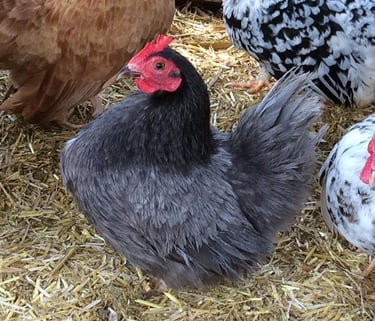
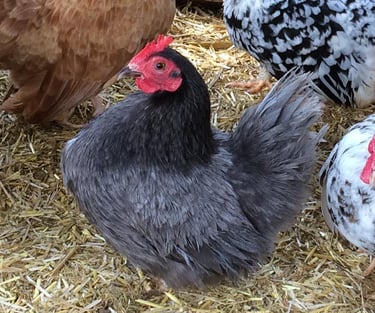
Pekins
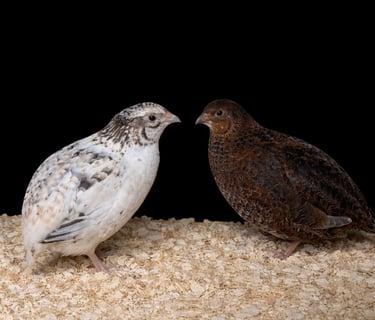
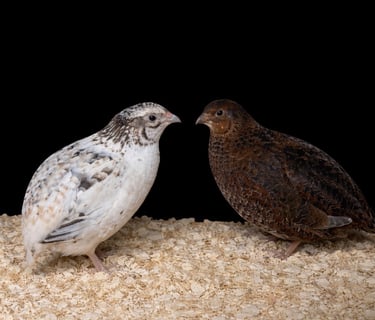
Quail thrive in smaller, low roof enclosures and large rabbit hutches. They do not tend to do well in large spaces as they panic, fly up and hurt themselves.
They lay 300 to 340 eggs a year. The eggs are brown and speckled and each hen seems to have her own signature pattern. I also keep a variation of quail called Celadon who lay blue eggs. These have become very popular recently.
They do not eat very much and can be trained to drink out of a rabbit's drinking bottle. This is always far more effective at keeping their enclosure clean and dry.
Quail do not often brood their own eggs, having lost all maternal instincts since being domesticated. That said, occasionally you will get one that decides it’s a good idea to have babies of her own.
Welfare is my top priority.
All of my birds are kept clean, well-housed and are provided with fresh water daily.
They are fed high quality chick crumb or growers/layers pellets to give them the best start.
I keep a supply of feed, feeders, drinkers and shavings that are available for you to purchase to help you get set up for keeping your chickens safely.
I am DEFRA registered and fully compliant with all Avian Influenza (Bird Flu) housing regulations.
What to expect when you buy my birds...
Quail
Serama
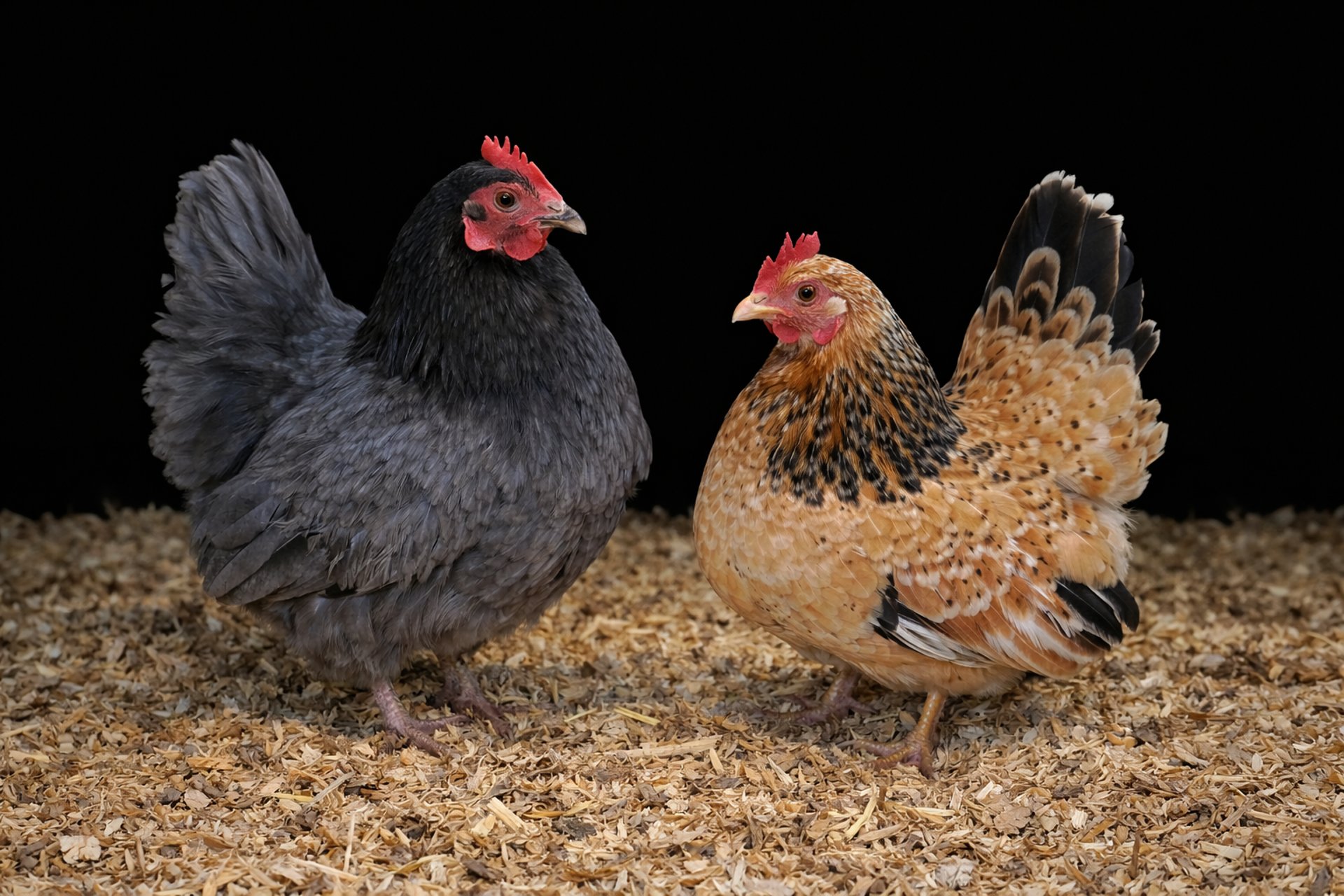
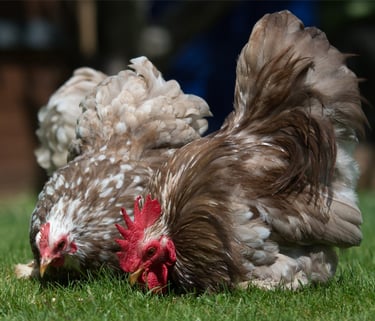
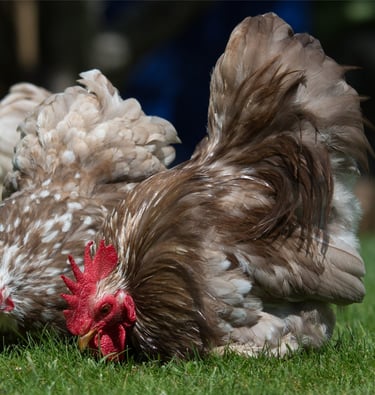
If you’re looking for a cheap and easy to keep pet that won’t hog the sofa or make your house stinky, then pekins are the ones for you.
Pekins are small, fluffy legged, pretty birds who make fantastic children’s pets. Hens get very tame and will often seek you out to have a lap cuddle or to beg for treats. They come in an array of colours so you won’t be stuck for choice.
About the size of a football once adults. Hens weigh around 1 to 1.2kg and cockerels about 1.7kg
Easy on your garden compared to larger breeds who can be very destructive.
Pekins lay around 260 tinted (shades of cream) eggs a year. They make excellent mothers and will readily hatch clutches of eggs to expand your flock.
Happy in relatively small gardens and only need a moderate size coop and run to be happy. They eat around a kilo of feed a week each, so are very cheap to feed.
Cockerels are usually friendly and not too loud, but think of your neighbours before committing to owning one.
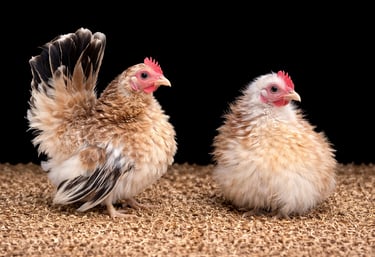
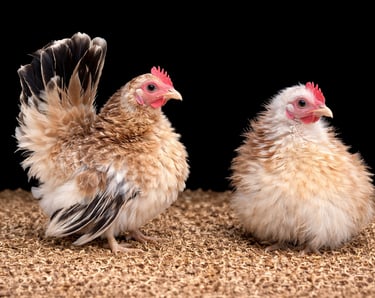
Serama are charming, petite birds, about the size of a racing pigeon and are ideal for children and can even be kept as house chickens.
Hens weigh approximately 400-600g, with cockerels slightly heavier.
Serama chickens are gentle on your garden, unlike larger breeds that can be quite destructive. They lay around 220 tinted eggs annually, offering a continuous fresh supply.
They are known for their excellent maternal instincts and are eager to hatch clutches, helping you expand your flock. Their chicks require initial protection due to their small size, but quickly become independent.
One of the unique aspects of Serama is their lack of breed-true colour groups, adding an element of surprise and excitement to hatching. Their colours evolve as they mature, sometimes transforming dramatically, ensuring a vibrant and diverse flock.
They thrive in small gardens and require only a moderate-sized coop and run. They eat around 3/4 of a kilo per bird per week, they are an economical choice.
Cockerels are friendly and relatively quiet, though their high-pitched calls may require consideration of neighbours. Hens, on the other hand, become exceptionally tame, often seeking affection and treats.